
As sustainability becomes more important in global markets, many eyewear brands are looking for better material choices. But choosing eco-friendly materials is not only about environmental impact — it also affects product quality, cost, and production stability.
In eyewear production, different materials perform very differently. Understanding their advantages and limitations can help avoid problems in bulk orders.
PCR PET: Turning Waste into New Value
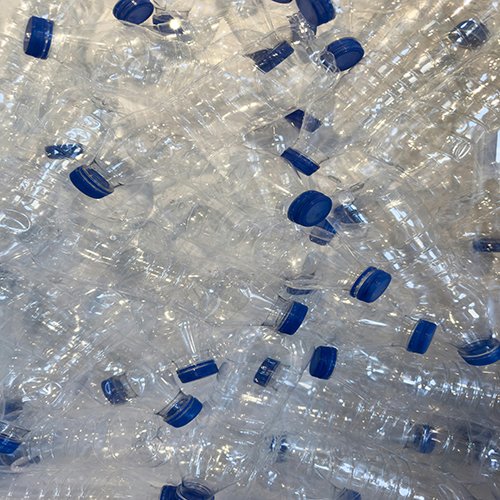
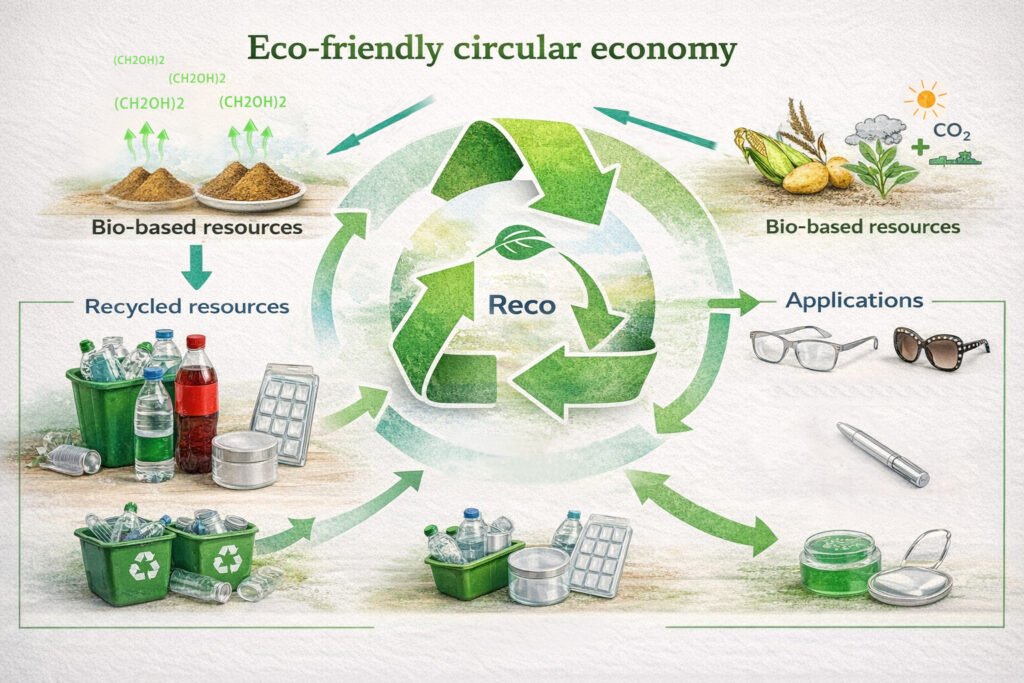
PCR PET is made from recycled plastic products like bottles. These materials are cleaned and processed into new raw materials.
Advantages:
- Reduces carbon emissions and plastic waste
- Decreases dependence on virgin plastic
- Supports circular economy
Challenges:
- Material quality may vary depending on recycling sources
- Requires stricter cleaning and processing
- Higher cost than standard PET
Best For:
- Brands focusing on recycled concepts
- Mass-market products
Not Ideal For:
- Premium products requiring high consistency
Production Note:
In bulk production, PCR PET requires careful quality control to ensure stable performance.
Bio-Based Materials: From Plants to Production
Bio-based materials are made from renewable sources such as corn, sugarcane, or wood pulp.
Key Benefits:
- Renewable raw materials
- Lower carbon footprint
- Some materials offer biodegradability
Bio-Acetate Features:
- Lightweight and flexible
- Suitable for colorful designs
- Better environmental profile than traditional acetate
Best For:
- Mid to high-end brands
- Design-focused collections
Not Ideal For:
- Projects with strict cost control
Production Note:
Performance may vary depending on formulation, so stable suppliers are important.
Recycled Nylon: Performance with Sustainability
Recycled nylon is made from waste materials like fishing nets and industrial scraps.
Advantages:
- Strong, flexible, and durable
- Lower carbon emissions than virgin nylon
- Saves water and energy
Best For:
- Sports eyewear
- Performance-focused products
Not Ideal For:
- Low-cost, price-sensitive projects
Production Note:
Material consistency and supply stability should be carefully evaluated.
Recycled Metals: Efficient and Durable
Recycled metals come from industrial and consumer waste.
Benefits:
- Reduces mining and raw material use
- Saves energy in production
- Maintains strength and durability
Best For:
- Premium eyewear
- Structural components
Not Ideal For:
- Ultra-lightweight designs
Production Note:
Processing cost and finishing quality can vary depending on material sources.
Wood and Bamboo: Natural and Unique
Wood and bamboo are natural materials with strong environmental appeal.
Advantages:
- Renewable and biodegradable
- Unique natural appearance
Best For:
- Niche or design-driven brands
Not Ideal For:
- Large-scale production
- High consistency requirements
Production Note:
These materials are more suitable for small batch production due to natural variations.
Quick Comparison for Material Selection
| Material | Environmental Benefit | Cost | Performance | Best For | Not Ideal For |
|---|---|---|---|---|---|
| PCR PET | High recycling value | Medium | Medium stability | Mass market, eco branding | Premium products |
| Bio-Acetate | Renewable, lower carbon | Medium-High | Good flexibility | Design & mid-high brands | Low-cost projects |
| Recycled Nylon | Reduces waste & emissions | Medium-High | High performance | Sports eyewear | Budget products |
| Recycled Metal | Energy saving | Medium | Strong & durable | Premium frames | Ultra-light designs |
| Wood/Bamboo | Natural & biodegradable | Medium | Low consistency | Niche designs | Mass production |
Final Thoughts
Choosing eco-friendly materials is not just about sustainability claims. It is about finding the right balance between environmental goals, product positioning, and production stability.
From a manufacturing perspective, selecting the right material early can help reduce risks, control costs, and improve long-term consistency.
If you are developing a sustainable eyewear collection, it is important to evaluate materials based on your target market and production needs — not just trends.
The End
Thank you very much for your reading.