
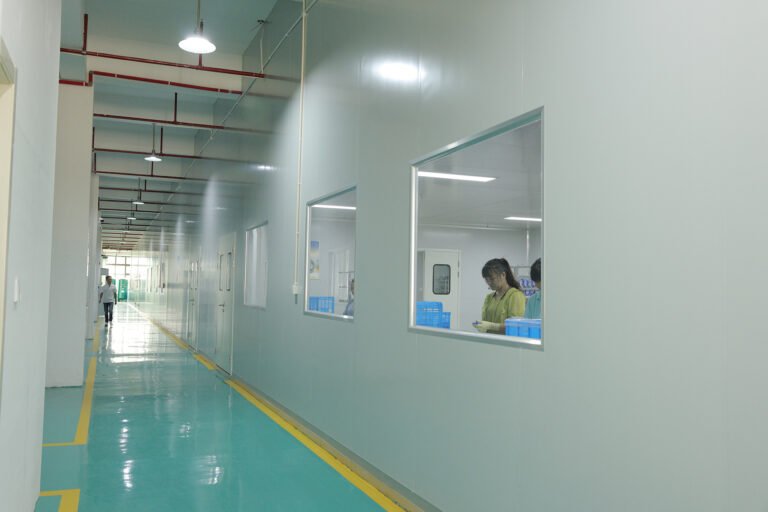
Choosing an eyewear manufacturer in China is not difficult.
Choosing the right one is.
There are thousands of suppliers in China, but not all of them are real manufacturers, and not all of them can deliver consistent quality in bulk production. Many buyers only realize this after placing an order—when delays, defects, or inconsistencies start to appear.
In fact, quality issues remain the biggest challenge for overseas buyers working with eyewear factories in China .
The real question is not “how to find a supplier,” but:
How to avoid choosing the wrong one.
Why Many Buyers Choose the Wrong Manufacturer
Most problems don’t come from bad luck. They come from wrong judgment.
Here are the most common mistakes:
1. Comparing Price Only
The same design can have very different prices.
Why? Because behind that price:
- Different materials
- Different coating quality
- Different plating levels
- Different production standards
Lower price is not just “cheaper”—it usually means something has been reduced.
2. Not Understanding Production Differences
Two factories can show you the same sample.
But their mass production capability can be completely different.
This is where most problems begin.
3. Unable to Tell Factory vs Trading Company
Many suppliers look like manufacturers, but are not involved in real production.
When problems happen:
- They cannot solve technical issues
- They cannot control quality
- They cannot manage delays
The 5 Key Factors to Evaluate a Manufacturer
Instead of looking at price alone, experienced buyers evaluate manufacturers across multiple dimensions.
1. Price = Structure, Not Number
A reliable factory can explain:
- What material is used
- What coating type is applied
- What plating level is chosen
If a supplier cannot explain why the price is what it is, that is already a risk.
2. Quality = Process, Not Promise
Every factory says they have “good quality.”
But real quality depends on:
- Coating technology
- Plating process
- Assembly control
For example:
- Poor coating can peel or crack over time
- Low-level plating can fade or corrode quickly
- Loose hinges are one of the most common failure points
These are not marketing issues—they are production issues.
3. Lead Time = Real Production Capacity
A supplier who promises fast delivery is not necessarily reliable.
The key question is:
Can they maintain quality while meeting deadlines?
Mass production often exposes problems that samples cannot show.
4. Communication = Problem-Solving Ability
Good communication is not about fast replies.
It is about clarity.
A reliable manufacturer can:
- Explain problems clearly
- Give practical solutions
- Set realistic expectations
5. Risk Control Ability (Most Overlooked)
This is where the real difference lies.
A strong factory understands:
- Where defects are likely to happen
- What changes in bulk production
- How to prevent issues before shipment
Without this, even a good sample can turn into a bad order.
How to Tell If You’re Working With a Real Factory
A real manufacturer does not just show products—they understand production.
You can tell by asking simple questions:
- Can they explain how coating is done?
- Can they explain plating differences?
- Can they describe their QC process clearly?
If the answers are vague, they are likely not controlling production.
Production Capability Matters More Than You Think
This is where many buyers underestimate the risk.
For example:
Lens Coating
- Real coating vs imitation coating makes a big difference
- Some colors (like pink) require real coating, or they fade quickly
- Coating that is too thick can crack if the process is not controlled
Metal Plating
- Different price levels = different plating quality
- Lower-cost plating is more likely to fade, peel, or corrode
In retail, plating failure is one of the most common reasons for product returns .
What Happens When You Choose the Wrong Manufacturer
The risks are not theoretical. They are very real:
- Sample looks good, but bulk production fails
- Coating problems appear after a short time
- Hinges become loose
- Color or finish becomes inconsistent
Even small defects can lead to:
- Returns
- Customer complaints
- Brand damage
In wholesale, a single bad batch can affect your entire selling season .
Quick Evaluation Checklist
Before choosing a manufacturer, ask yourself:
| Factor | What to Check | Risk if Ignored |
| Price | Can they explain cost structure? | Hidden quality downgrade |
| Quality | Do they explain process (not just result)? | Unstable bulk production |
| Lead Time | Can they balance speed and quality? | Delays or defects |
| Communication | Are answers clear and technical? | Misunderstanding |
| Risk Control | Do they understand production risks? | High failure rate |
Final Thoughts
Choosing an eyewear manufacturer in China is not about finding the lowest price.
It is about finding a partner who understands production, controls quality, and can deliver consistently in bulk.
China is capable of producing both low-end and high-end eyewear. The difference is not the country—it is the factory you choose and how you evaluate it .
If you focus only on price, problems are almost guaranteed.
If you understand the process, you can avoid most of them.
The End
Thank you very much for your reading.

One Response
Great content! Keep up the good work!